The Hidden Dangers of Plug-in Air Fresheners
What Are Plug-in Air Fresheners Made Of?
Plug-in air fresheners typically contain a mixture of synthetic chemicals designed to release fragrance steadily over time. These chemicals include:
Phthalates: Used to make fragrances last longer, phthalates are linked to hormone disruption.
Volatile Organic Compounds (VOCs): These evaporate easily and contribute to indoor air pollution.
Formaldehyde: Sometimes present as a preservative or byproduct, formaldehyde is a known irritant and carcinogen.
Synthetic Musks: These provide a long-lasting scent but can accumulate in the body and environment.
Manufacturers often do not disclose the full list of ingredients, making it difficult for consumers to know exactly what they are breathing in.
Health Concerns Linked to Chemicals in Plugins
Research shows that exposure to chemicals in plug-in air fresheners can cause various health issues, especially for sensitive groups such as children, pregnant women, and people with asthma or allergies. Some reported effects include:
Respiratory irritation: Coughing, wheezing, and shortness of breath.
Headaches and dizziness: Caused by inhaling strong synthetic fragrances.
Hormonal disruption: Linked to phthalates affecting reproductive health.
Allergic reactions: Skin rashes, sneezing, and watery eyes.
Indoor air quality can worsen when these chemicals accumulate, especially in poorly ventilated spaces. Unlike natural scents, synthetic fragrances do not break down easily and may linger for hours or days.
Why Non-Toxic Home Fragrances Are a Better Choice
Non-toxic home fragrances use natural ingredients that pose fewer risks to health and the environment. These products often rely on essential oils, plant extracts, and water-based formulas. Benefits include:
Improved indoor air quality: Natural ingredients release fewer harmful VOCs.
Reduced allergy and irritation risk: Essential oils tend to be gentler on the respiratory system.
Eco-friendly options: Many non-toxic fragrances come in biodegradable packaging and avoid synthetic chemicals.
Customizable scents: You can blend essential oils to create personalized aromas.
Switching to non-toxic fragrances supports a healthier home environment without sacrificing comfort or style.
Examples of Safe and Effective Non-Toxic Fragrance Options
Here are some popular non-toxic alternatives to plug-in air fresheners:
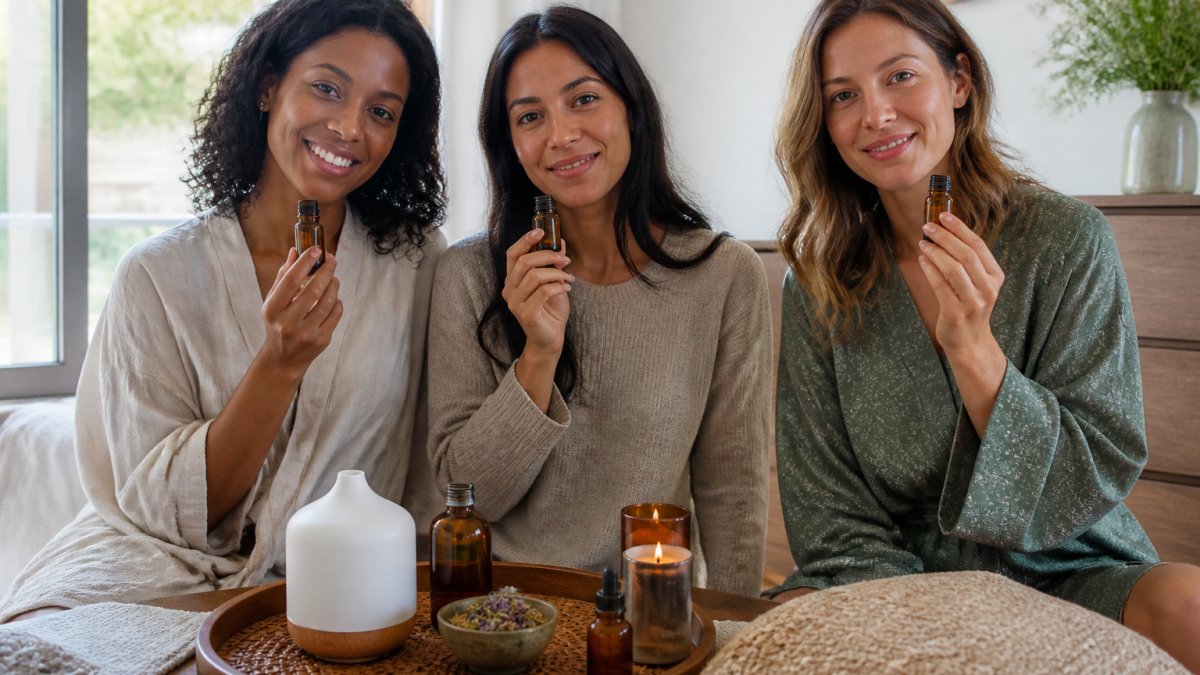
Essential oil diffusers: Ultrasonic or nebulizing diffusers disperse pure essential oils into the air without heat or chemicals.
Soy or beeswax candles: These burn cleaner than paraffin candles and can be scented with natural oils.
Herbal sachets and potpourri: Dried flowers, herbs, and spices provide subtle, natural scents.
Room sprays with natural ingredients: Made from water, essential oils, and plant-based emulsifiers.
When choosing these products, look for certifications such as USDA Organic or labels indicating no synthetic fragrances or harmful additives.
Tips for Using Non-Toxic Fragrances Safely and Effectively
To get the most from non-toxic home fragrances, consider these practical tips:
Ventilate regularly: Open windows to refresh indoor air and prevent buildup of any scent.
Use in moderation: Even natural oils can cause irritation if overused.
Test for allergies: Try a small amount first to check for sensitivity.
Store properly: Keep essential oils and natural products away from heat and sunlight to preserve quality.
Combine methods: Use diffusers alongside herbal sachets or candles for layered fragrance.
These steps help maintain a pleasant, safe-smelling home environment.
How to Transition Away from Plug-in Air Fresheners
If you currently use plug-in air fresheners, switching to non-toxic options can be simple:
Gradually reduce plug-in use: Replace one device at a time with a diffuser or candle.
Clean your home thoroughly: Remove residues from previous synthetic fragrances.
Introduce natural scents: Start with mild essential oils like lavender or citrus.
Observe how your body reacts: Notice any improvement in breathing or allergy symptoms.
Educate household members: Share the benefits of non-toxic fragrances with family or roommates.
This approach minimizes disruption while improving indoor air quality.
Embracing a Healthier Home Environment
Choosing non-toxic home fragrances is a practical step toward a healthier living space. By avoiding the hidden chemicals in plug-in air fresheners, you reduce exposure to substances that may cause irritation or long-term harm. Natural alternatives offer safe, effective ways to enjoy pleasant scents without compromising well-being.
As you explore the world of non-toxic fragrances, consider the soothing power of essential oils. They can transform your space into a sanctuary of calm. Embrace the gentle embrace of nature’s aromas, and let them guide you toward tranquility and emotional balance.
In this journey, I invite you to discover the beauty of intentional self-care rituals. Each moment spent nurturing your environment is a step toward cultivating emotional well-being. Let the warmth of a clean, wholesome candle fill your home with light and love, creating a serene atmosphere that supports your mental and emotional balance.
By making these mindful choices, you not only enhance your living space but also empower yourself to thrive in a world that often feels overwhelming. Together, let’s create a sanctuary that reflects our values and nurtures our souls.

Comments