Calming Home Decor That Encourages an Unhurried Breath
Table of Contents
Last Updated: October 16, 2026
Why Calming Home Decor Changes How You Breathe
Calming home decor means choosing colors, light, texture, and scent that lower the body's arousal level instead of raising it.
Walk into a room with harsh overhead light, clutter, and competing colors, and your breath gets shallow.
That difference is the whole point of calming home decor. American Psychological Association on stress and the environment notes that environmental factors shape how the body responds to stress.
Key Takeaway Calm is not a style you buy. It is a set of sensory decisions, repeated in small rooms, that tell your nervous system the day is over.
Calming Home Decor Ideas That Work Room by Room
Calming home decor ideas work best one room at a time, starting with the room where you spend the most still hours. A whole-house overhaul is expensive and usually abandoned halfway.
Here is how we would sequence a refresh:
Bedroom first. It sets your sleep and your morning.
Living room second. It holds your evenings.
Entryway third. It sets the tone the moment you walk in.
Pick one. Finish it. Then move on.
A Five-Step Refresh You Can Actually Finish
This works in a single afternoon per room.
Audit the room at night. Stand in the doorway with your usual lights. Note the brightest surface, the loudest color, and the first thing your eye lands on, that is your focal point, whether you chose it or not.
Subtract before you add. Remove three objects, a shelf of small items, a stack of mail, a second throw pillow. Most rooms get calmer by subtraction.
Fix the light. Turn off the ceiling fixture after dark and add one lamp at or below seated eye level. This is the highest-impact change in the process.
Add one soft texture. A wool or cotton throw, a fabric ottoman, a woven basket. One is enough; two reads as clutter.
Add one scent cue. A single candle or diffuser you use only in this room, at the same time each day.
Then stop. Live in it for a week before buying anything else.
Bedroom: The Room Where Ease Matters Most
The bedroom is where calming home decor pays off fastest, yet most people treat it as storage with a bed in it.
Start with these:
Lower the light. Replace a bright ceiling fixture with two bedside lamps.
Clear one surface completely. A nightstand with three items beats one with twelve.
Choose soft furnishings in one color family: two throw pillows, one blanket.
A common mistake is buying a matching bedroom set before fixing the lighting. New furniture under harsh light still feels tense.
Living Room and Entryway: First Impressions of Calm
The living room and entryway carry the most traffic, so they need the most editing: fewer objects, softer surfaces, one clear focal point.
Try this:
Move the TV off the main wall if you can. Give the room a window or a piece of art instead.
Swap one hard surface for a soft one: a woven basket, a wool throw, a fabric ottoman.
Keep the entryway floor clear, shoes and bags create visual noise at eye level.
Entryways are small, so they respond to tiny changes. A tray for keys and a single vase can settle the whole space.
Bathroom and Workspace: The Two Rooms People Skip
The bathroom is the fastest win in the house: swap the overhead bulb for a warm one, add a small plant, and fold towels in one color.
A workspace is harder because it is built for output, not rest. Three changes help:
Face away from the door if you can. A seat with a wall behind it lowers the low-grade alertness of watching your own back.
Put the desk against a wall, not floating in the middle. Fewer sightlines, fewer distractions.
Add one warm task lamp and turn off the overhead light for the last hour of work. It marks the end of the day even when the work does not.
Adapting the Plan to Your Household
A calm room has to fit the people and animals in it, or it will not stay calm for a week.
Renters. Stick to bulbs, lamps, throws, rugs, and removable adhesive hooks, nothing requires a drill or a landlord's permission.
Small spaces. Choose one focal point per room and let everything else recede. In a studio, give the bed its own lamp and scent so the room can shift function after dark.
Pets and children. Skip the glass vase and low tray of small objects. Choose washable covers, closed storage, and a throw you are not afraid to have on the floor.
Pro Tip If you only have one afternoon, do the bedroom. Better sleep pays back into every other room in the house.
Welcoming Home Decor: Making Guests Feel at Ease
Welcoming home decor is not about impressing visitors. It is about removing the small frictions that make people hold their breath in someone else's house, the angle most decor guides skip, because they style for the photo, not the person sitting in the room.
What a guest actually needs: a clear place to sit, somewhere to set a drink, light they can read by, a comfortable temperature, and a path to the bathroom they do not have to ask about. You do not need a styled coffee table.
Designing for the Guest Who Is Overwhelmed
A room that feels calm to you can feel loud to someone else. Guests arrive with their own sensory load, and a few small choices lower it without changing your style.
Cap the noise. Turn off the TV if no one is watching it. Background audio plus conversation plus a running appliance is three inputs at once.
Lower the contrast. A dark sofa against a white wall reads crisp in a photo and sharp in person. A mid-tone throw or rug softens the edge.
Dim the brightest source. One overhead light on full is the most common reason a room feels like a waiting area.
Warmth Does Most of the Work
Soft textures, a low lamp, and a seat that looks used rather than staged all signal that a person can relax here. Tidy is not the same as empty: a lived-in room with a folded blanket reads warmer than a bare one.
The fastest warmth upgrades are the ones a guest actually touches:
A throw within arm's reach of every seat
A coaster or a small tray so no one has to ask where to set a glass
A lamp the guest can reach and switch on without getting up
Welcoming Without Assuming
Not every guest can use every seat, and the calmest host plans for that quietly rather than making it a conversation.
Leave a clear path between the door, the main seat, and the bathroom.
Offer a chair with arms and a firm seat as well as a low, soft one, both available, not one or the other.
Keep a small basket with a phone charger, tissues, and a coaster within a guest's reach.
None of this requires new furniture, just deciding in advance where a person will sit, what they will set down, and how they will get out.
Pro Tip Keep a lightweight throw within arm's reach of every seat. Guests rarely ask for one, and almost everyone gets cold sitting still.
Watch Out Skip scented candles and plug-ins before guests arrive if you do not know their sensitivities. Fragrance is one of the most common triggers for headaches, and a guest will rarely tell you the room is the reason.
Soft Lighting for a Relaxing Home
Soft lighting for a relaxing home comes down to three rules: lower the source, warm the color, and layer the light.

What we would change first in most homes:
Turn off the ceiling light after dark. Use lamps instead.
Choose warm bulbs. Look for a warm color temperature on the box.
Add a third light source. Two lamps plus one candle beats one bright fixture.
Layering matters because a single light source creates hard shadows, while three weak sources create soft, even light, the look most people mean when they say a room feels cozy.
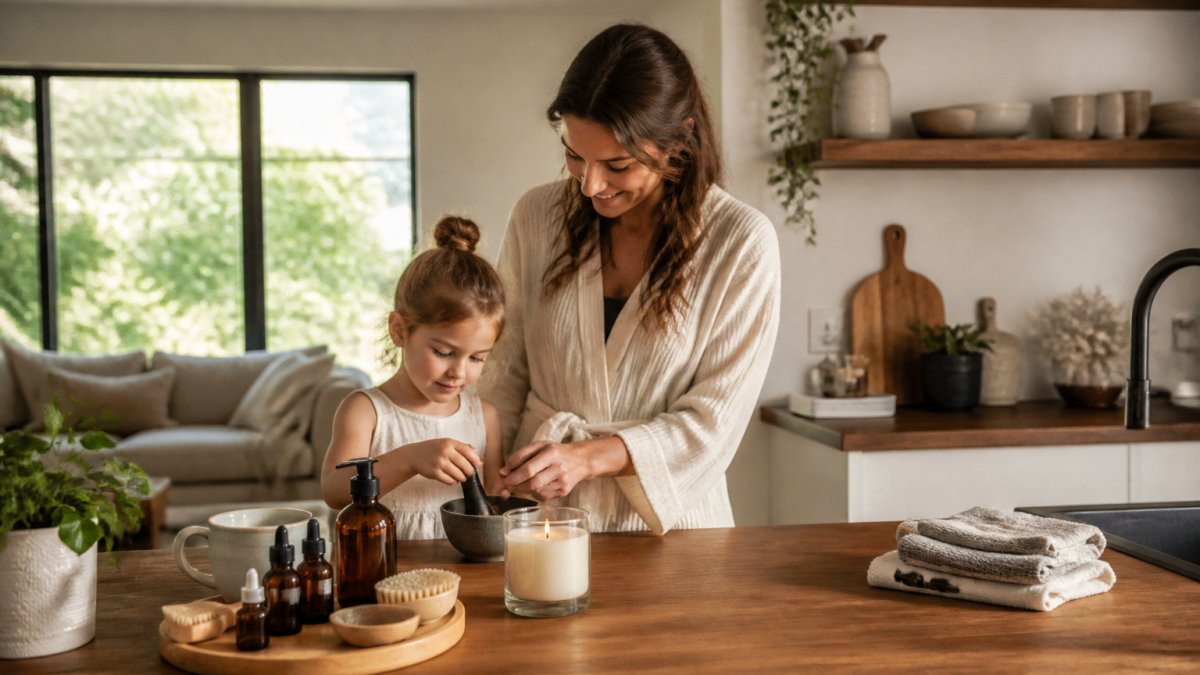
Candles do double duty: a lit soy candle gives a small, warm, moving light plus a scent cue, which is why we build ours around toxin-free soy wax and small-batch pouring.
Home Fragrance for Relaxation: Scent as a Sensory Anchor
Home fragrance for relaxation works because smell reaches the brain faster than any other sense, making scent the most direct tool for shifting a room's mood.
National Institutes of Health overview of smell and the brain explains how scent signals travel to areas tied to memory and emotion before conscious processing kicks in.
To use scent well:
Pick one scent per room. Mixing three candles muddles the cue.
Match scent to function. Bright citrus in the morning, warm woods and vanilla at night.
Keep it light. A faint scent signals calm; a heavy one signals a department store.
If you are skeptical about whether scent can help with perimenopause symptoms, that is fair. We do not claim our products treat symptoms.
Watch Out Synthetic fragrance oils are a common trigger for headaches and sinus irritation. If candles have bothered you before, the wax and the fragrance source are the two things to check first.
Budget Tiers and Prioritization: Where to Start First
Budget decides sequence, not outcome. You can shift a room's feeling for very little if you spend in the right order.
Tier | What to Buy First | Why It Comes First | Where It Goes |
Under $50 | Warm bulbs, one lamp, one throw | Light and texture change a room fastest | Bedroom |
$50-$150 | Two lamps, curtains, one candle, a vase | Layers light and softens hard edges | Living room |
$150-$400 | Area rug, dimmer switch, linen bedding, scent set | Covers floor, light, and sleep surfaces | Bedroom plus living room |
$400+ | Window treatments, upholstered chair, art | Fixes light control and acoustics | Main living space |
Our advice: never start with furniture. Start with light, the cheapest change with the largest effect, and it makes everything you buy afterward look better.
Best For Renters and anyone on a tight budget. Bulbs, a lamp, and one throw fit in a single shopping trip and can be undone at move-out.
Common Mistakes That Undo a Calm Room
Most calm rooms fail for the same handful of reasons, all fixable in an afternoon.
The biggest is fighting your own light: people buy soft, muted furniture, then light it with a cold, bright bulb, so the room reads gray and clinical no matter what is in it.
Others we see often:
Too many focal points. Art, a TV, a bright rug, and a patterned sofa all compete. Pick one.
Clutter disguised as decor. A shelf of small objects is not styling, it is visual noise.
Scent overload. Three plug-ins in one room cancel each other out.
Start by removing, not adding. Most rooms get calmer when you take three things out.
Conclusion: Start With One Room, One Breath
The hard part of calming home decor is not knowing what to do. Add one scent you only use there.
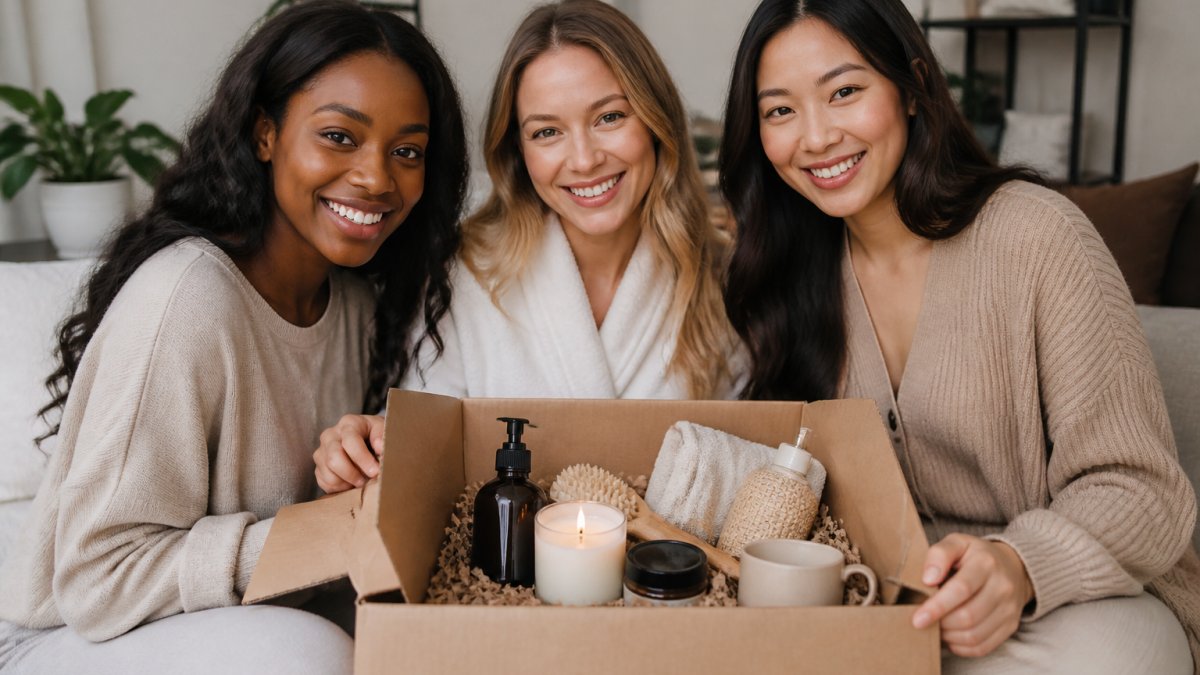
That is what we do at Aura & Amity. Our toxin-free soy candles, aromatherapy, and botanical body care turn an ordinary room into a daily sanctuary.
Get started with Aura & Amity and give yourself one room, one scent, and one unhurried breath.
Frequently Asked Questions
How can home decor make a space feel more calming?
Calming home decor works by reducing visual and sensory stimulation. Muted colors, soft textures like throw pillows and blankets, warm lighting, and a tidy layout all signal safety to your nervous system. When a room feels uncluttered and gentle on the eyes, your breathing naturally slows. Start with one area, clear the surfaces, and add a single soft element such as a linen throw or a low-watt lamp to test how the room feels.
What colors make a home feel peaceful and welcoming?
Soft, muted tones work best for a peaceful atmosphere: warm whites, sage green, dusty blue, sand, and blush. These colors reflect light gently instead of creating harsh contrast. Pair them with natural textures like wood, linen, and woven baskets to keep the space from feeling flat. If you love bolder colors, use them in small doses through artwork or vases rather than on full walls, so the room stays soothing rather than stimulating.
How can candles and aromatherapy contribute to a relaxing home?
Scent travels directly to the part of the brain tied to emotion and memory, which is why home fragrance for relaxation can shift your mood within minutes. A toxin-free soy candle paired with a slow, intentional routine, such as lighting it at the same time each evening, becomes a sensory cue that tells your body the day is winding down. Choose scents you genuinely enjoy, since a fragrance you dislike will do the opposite of calming you.
What lighting helps create a calm atmosphere at home?
Soft lighting for a relaxing home means layering low-level sources instead of relying on one bright overhead fixture. Use table lamps, floor lamps, and dimmable bulbs in the 2200K to 2700K range for a warm glow. Add a candle or two for a gentle flicker. Avoid cool white or blue-toned bulbs in the evening, since they mimic daylight and can keep your brain alert when you are trying to unwind.
Comments