How to Make Your House Non-Toxic: A 2026 Guide
Table of Contents
Last Updated: October 12, 2026
Start Here: What Makes a House Non-Toxic?
A non-toxic house is a home where the air, surfaces, and everyday products carry as few harmful chemicals as possible. This guide from Aura & Amity walks you through five practical steps, room by room.
If you have ever asked, "How do I make my house non-toxic?", the answer is not scrubbing every surface until it gleams, it is cutting the small, daily exposures that add up over time.
The Most Common Household Toxins and Where They Hide
Household toxins are the chemicals and particles in everyday products that build up in your body over time, in places most people never check.
Cleaning sprays and wipes with harsh solvents
Scented candles and air fresheners that release VOCs
Nonstick cookware with worn coatings
The good news? You do not need to fix all of this at once. Start with the steps below.
Step 1: Improve Indoor Air Quality and Ventilation
Indoor air quality is the measure of how clean and safe the air inside your home is, and the fastest way to improve it is to open windows and let fresh air move through.
Here is how to boost ventilation without much effort:
Open at least two windows on opposite sides of a room for cross-flow
Run the bathroom fan during and after every shower
Use the kitchen hood every time you cook

How to Tell If Your Indoor Air Is Unhealthy
Signs of poor indoor air include frequent headaches, stuffy air, and lingering cooking smells. If your home smells stale even after cleaning, ventilation is likely the problem.
Watch for these clues:
Condensation on windows in cool weather
Lingering odors from cooking or pets
Dust that returns within a day of cleaning
If these signals sound familiar, start with fresh air before buying any gadget.
Step 2: Switch to Non-Toxic Cleaning Products
Non-toxic cleaning products are made with safer ingredients that do not release harsh fumes, and swapping them is one of the cheapest changes you can make. But the front label is a poor guide: words like natural, green, eco-friendly, and non-toxic are largely unregulated. The back of the bottle, plus third-party certifications, tells you more.
How to read a cleaning product label
Start with the signal words. Under federal labeling rules, products must carry hazard warnings like Caution, Warning, or Danger based on acute toxicity. Danger is the strongest. A bottle with no signal word is not automatically safe, but one with Danger deserves a second look.
Then check the ingredient list. Manufacturers are not required to disclose every ingredient the way they are on food, but many now do. Look for:
Specific chemical names rather than vague terms like "surfactant blend"
Fragrance listed as a single word, this can stand for dozens of undisclosed compounds
Antimicrobial or antibacterial claims, which usually mean added pesticides regulated by the EPA
Certifications worth trusting
Third-party certifications do the ingredient homework for you. The most useful:
EPA Safer Choice. The EPA reviews every ingredient against its Safer Chemical Ingredients List and requires specific performance and packaging criteria. The EPA's Safer Choice program lets you search certified products by category.
Green Seal. An independent nonprofit standard that covers both ingredient safety and environmental impact across a wide range of cleaning categories.
Design for the Environment (DfE). Another EPA program, now folded into Safer Choice, that historically certified antimicrobial and disinfecting products.
A certification is not a guarantee of zero risk, but it signals that someone outside the manufacturer reviewed the formulation against a published standard, more than the word natural gives you.
What "non-toxic" actually means
No cleaning product is truly non-toxic in the sense of being harmless if swallowed or sprayed in the eyes. The term is best read as a marketing shorthand for "formulated to reduce exposure to ingredients of concern." Even vinegar and baking soda can irritate eyes or skin at high concentrations.
A product marketed as non-toxic can still contain fragrance, preservatives, or surfactants that bother sensitive people. If someone in your home has asthma or fragrance sensitivity, treat "fragrance-free" as stricter than "non-toxic."
A practical swap order
You do not need a cabinet full of specialty sprays. Vinegar, baking soda, and castile soap handle most jobs. Work through your cleaners in this order:
Aerosol air fresheners and plug-ins, highest priority, easiest to drop
Scented all-purpose sprays, replace with fragrance-free versions or a vinegar-and-water mix
Disinfecting wipes, reserve for actual germ-killing needs, not daily wiping
Dish and laundry detergent, choose fragrance-free, dye-free options
Specialty cleaners, replace as they run out, not all at once
Reducing dust and cleaning without harsh chemicals
Dust holds onto chemical residue and allergens, so how you clean matters as much as what you use. Dry cloths push dust into the air, while a damp cloth traps it, and wet mopping removes far more than sweeping.
Try this routine:
Damp dust surfaces weekly with a microfiber cloth
Wet mop hard floors instead of sweeping
Vacuum rugs with a HEPA filter
Pro Tip A common mistake is cleaning with a scented spray and calling it done. The fragrance adds VOCs back into the air you just cleared. Go fragrance-free and ventilate while you clean. If you want to verify a claim, search the product name plus "SDS", the safety data sheet lists hazards the front label will not mention.
When to be skeptical of a claim
A few phrases should make you slow down:
"Chemical-free", everything is a chemical, including water
"Doctor-recommended" without a named doctor or study
"Kills 99.9% of germs" paired with a non-toxic claim, disinfectants are pesticides by definition
None of these mean the product is dangerous. They mean the marketing is doing more work than the science. When in doubt, check the certification, check the SDS, and ventilate.
Step 3: Replace Fragranced Products, Candles, and Air Fresheners
Fragranced products are one of the most overlooked sources of indoor VOCs. Air fresheners and scented candles often release chemicals that irritate the eyes, nose, and throat, and the word "fragrance" can stand for dozens of undisclosed chemicals.
If you love scent, you do not have to give it up. Choose cleaner options instead:
Soy or beeswax candles with cotton wicks
Essential oil diffusers used in short bursts
Simmer pots with citrus and herbs
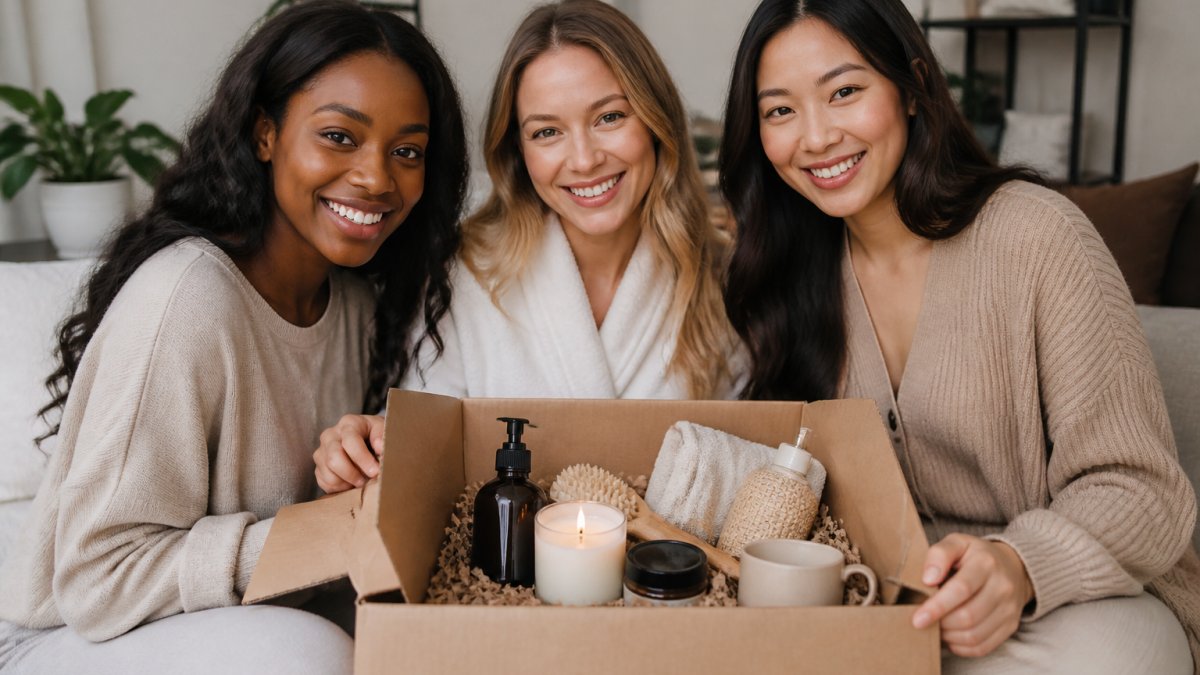
This is where Aura & Amity fits in. Our toxin-free soy candles are hand-poured in small batches and made for people who want a calm home without the chemical load.
Step 4: Rethink Cookware, Food Storage, and Water
Cookware and food storage are daily contact points between your food and your home's materials, and small swaps here reduce chemical exposure with almost no effort. Nonstick coatings break down when overheated or scratched, so replace a pan once its surface flakes.
Safer kitchen choices:
Stainless steel and cast iron pans
Glass or ceramic baking dishes
Glass food storage instead of plastic
For water, a simple carbon filter handles many common concerns. Check the CDC's guide to water treatment for what different filters remove.
Step 5: Manage Moisture, Tracked-In Contaminants, and Mold
Moisture control is the single best defense against mold, a real health concern in damp homes. But lead, radon, asbestos, and widespread mold require testing or a qualified professional, not a better cleaning spray. This section covers both the daily habits and the hazards that need a different playbook.
Everyday moisture and tracked-in contaminant control
Tracked-in contaminants ride in on shoes: lead dust, pesticide residue, and road grime collect on soles and spread across floors where kids crawl and play.
Set a shoe tray or rack by every entrance
Ask guests to remove shoes indoors
Run bathroom fans during and for 15-20 minutes after every shower
A slow drip under a sink or a window that weeps in winter feeds mold long before you see it. Check under sinks, behind toilets, and around window frames a few times a year.
When to test instead of guess
Some hazards are invisible and odorless, so no amount of cleaning will tell you whether they are present. Testing is the only way to know.
Radon. Radon is a naturally occurring radioactive gas that can seep into any home, old or new, and it is the leading cause of lung cancer among nonsmokers according to the EPA. Test kits are inexpensive and available by mail; long-term tests run 90 days or more. If results are elevated, a certified mitigator installs a venting system. Many state radon programs offer free or discounted kits.
Lead paint. Homes built before 1978 may contain lead-based paint. Deteriorating paint, renovation dust, and friction surfaces like windows and doors are the main exposure routes. A certified inspector can test paint, dust, and soil. Never dry-scrape or dry-sand suspected lead paint, that spreads dust. The EPA's Renovation, Repair and Painting rule requires certified contractors for most work in pre-1978 housing.
Asbestos. Common in older insulation, floor tile, and popcorn ceilings. If it is intact, the usual advice is to leave it alone. If it is damaged or you plan renovation, hire a licensed abatement professional.
Watch Out Ignoring a small leak is a costly mistake. Mold can spread behind walls within days, and remediation costs far more than a quick repair. The same logic applies to radon and lead: testing is cheap, remediation after the fact is not.
How to find qualified help
When you need a pro, credentials matter. Look for:
Radon mitigators certified by the National Radon Proficiency Program or the National Radon Safety Board
Lead inspectors and renovators certified under the EPA's lead program
Mold assessors who are independent from the company doing the remediation, so the inspection and the cleanup are not the same invoice
Ask for the certification number, a written scope of work, and a clear explanation of what will be tested before and after. If a contractor cannot answer basic questions about their credentials, keep looking.
A simple testing calendar
Annually: radon test if you have never tested; well water test if you are on a private well
Every few years: re-test radon after major renovations or if you change HVAC systems
Before any renovation: lead and asbestos assessment for pre-1978 or pre-1980s homes
None of this replaces the everyday habits above, it sits alongside them, because the goal is a house where the invisible risks have been checked, not assumed away.
Your Low-Tox Home Checklist: Room-by-Room Priorities
A low-tox home checklist helps you work through your space in order of impact, starting where you spend the most time and exposures are highest.
Here is a simple priority table:
Room | First Fix | Why It Matters |
Kitchen | Swap plastic storage for glass | Heat releases chemicals from plastic |
Bathroom | Run the vent fan daily | Cuts mold and moisture |
Bedroom | Choose soy candles over paraffin | Fewer VOCs while you relax |
Living room | Open windows for cross-flow | Clears trapped air |
Entryway | Add a shoe rack | Stops tracked-in contaminants |
Which Household Products Should You Replace First?
Replace fragranced products and worn nonstick pans first, they give the biggest exposure reduction for the least money. Then move to plastic food storage and conventional cleaning sprays. Each swap is small, but together they change your home's baseline.
Key Takeaway You do not need to overhaul everything in one weekend. Fix the top three sources, then let the rest follow as items run out.
Conclusion: Small Changes, Lasting Impact
Building a non-toxic house is a series of small, steady choices, not a single dramatic purge.
At Aura & Amity, we make that transition feel less like a chore.
Ready to make your home a softer, safer place to breathe? Shop Now with Aura & Amity and start with one small ritual today.
Frequently Asked Questions
What are the most toxic things in our homes?
The biggest offenders are often everyday items: fragranced candles and air fresheners, harsh cleaning sprays, nonstick cookware, plastic food containers heated in the microwave, and tracked-in pesticides from shoes. Volatile organic compounds (VOCs) from paint, furniture, and renovation materials also contribute. You do not need to eliminate everything at once. Start with the products you use daily and the rooms where you spend the most time, then work outward.
How can I tell if my house has unhealthy indoor air?
Common signs include lingering odors, condensation on windows, frequent headaches or allergy symptoms that ease when you leave, and visible mold or moisture. A simple first step is to open windows daily for 10 to 15 minutes, run bathroom and kitchen exhaust fans, and check for damp spots. If symptoms persist or you suspect radon, a radon test kit is inexpensive and available at most hardware stores. For mold or lead concerns, a professional inspection gives you clear answers.
What is the safest non-toxic cleaner I can use for my home?
Plain water, distilled white vinegar, baking soda, and castile soap handle most household cleaning tasks without harsh fumes. For disinfecting, a diluted hydrogen peroxide solution works on many surfaces. When buying commercial non-toxic cleaning products, look for full ingredient lists, third-party certifications, and no added fragrance. Avoid anything labeled 'fragrance' or 'parfum' if you are sensitive. Always test a small area first, especially on natural stone or sealed wood.
How do I make my house smell good without toxins?
Skip synthetic air fresheners, plug-ins, and conventional candles, which often release VOCs and phthalates when burned or sprayed. Instead, simmer citrus peels and whole spices on the stove, use toxin-free soy candles made with essential oils, or place bowls of baking soda mixed with a few drops of essential oil in closets and bathrooms. Opening windows remains the simplest way to freshen air. Aura & Amity offers hand-poured soy candles designed for a clean, low-scent burn.

Comments